





What is Pastel PLA and why choose it
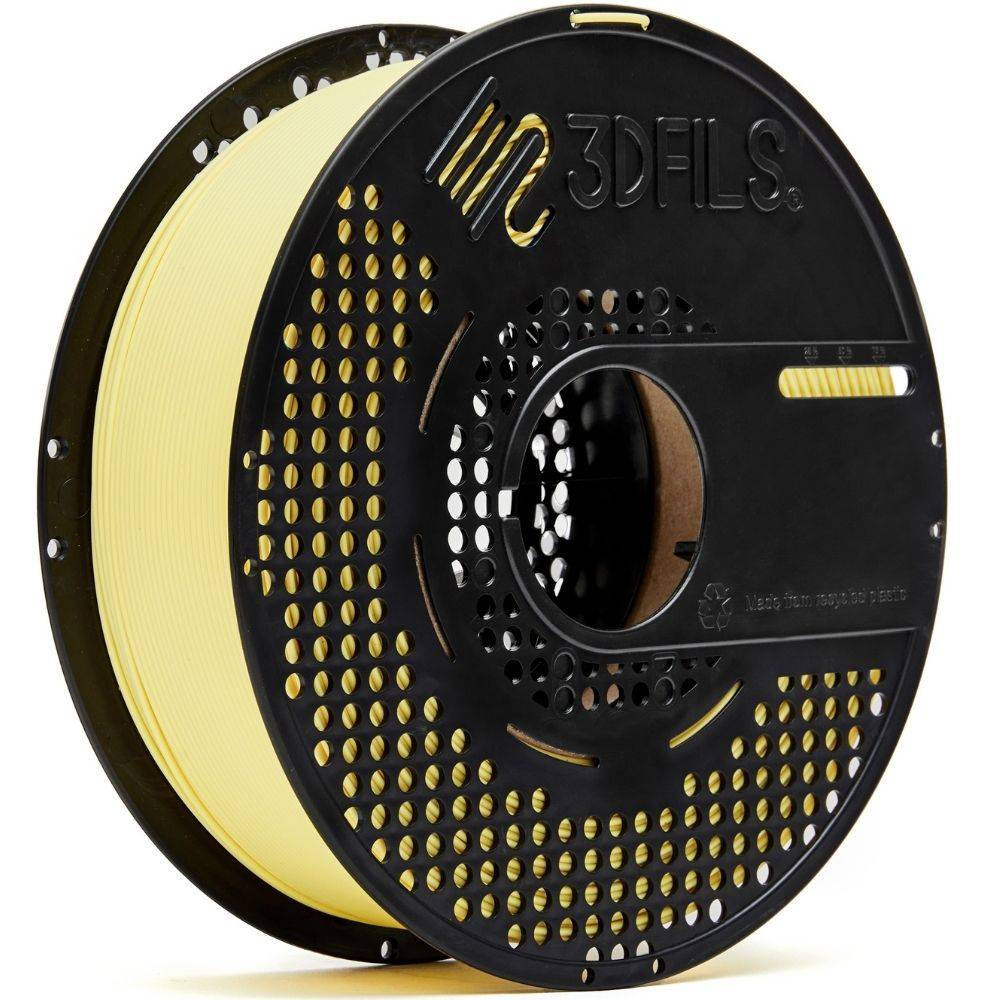
3DFils Pastel PLA is our standard PLA filament formulated in a range of soft pastel shades. Same polylactic acid base, same ease of printing, same warp-free behavior. What changes is the pigment: a palette of soft colors designed for parts where appearance counts as much as function.
It is one of the PLA filaments we recommend most to those starting in 3D printing and those working with children. The reason is twofold: PLA is one of the easiest printing materials on the market, and pastel shades have a pleasing aesthetic that works well in toys, gifts, decoration, and educational projects. If your printer already prints basic PLA, it will print this without any adjustments.
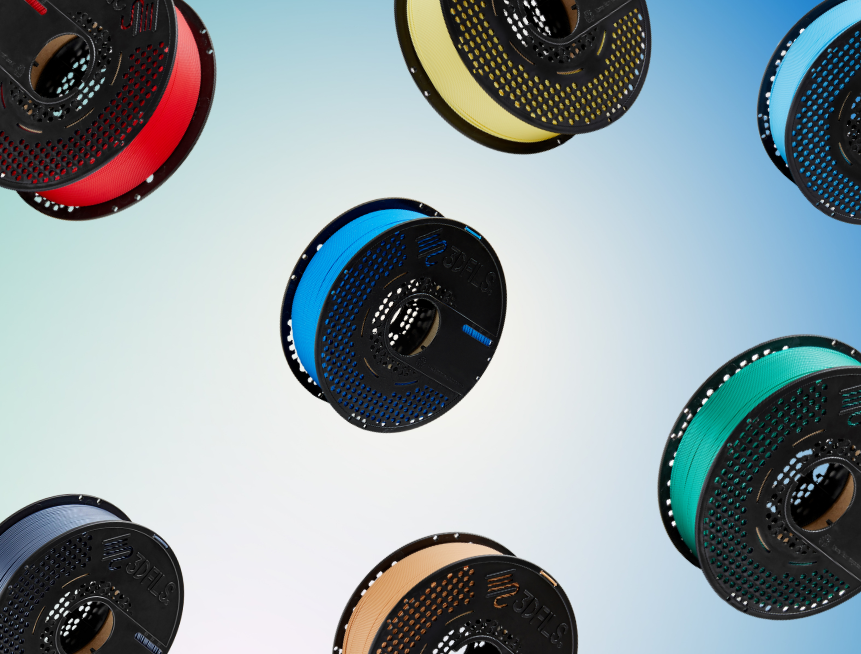
Available Pastel Colors
We work with a carefully curated pastel palette, designed for decoration, children's items, and multicolor combinations:
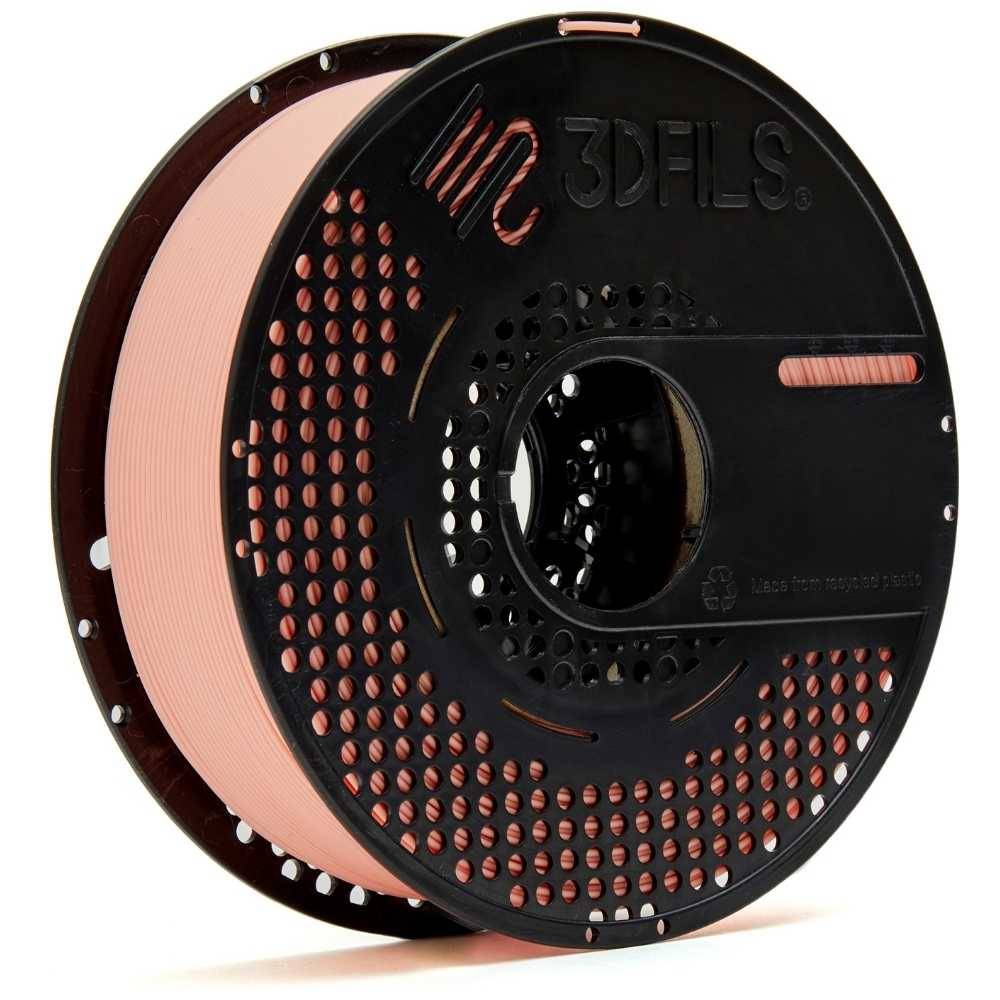
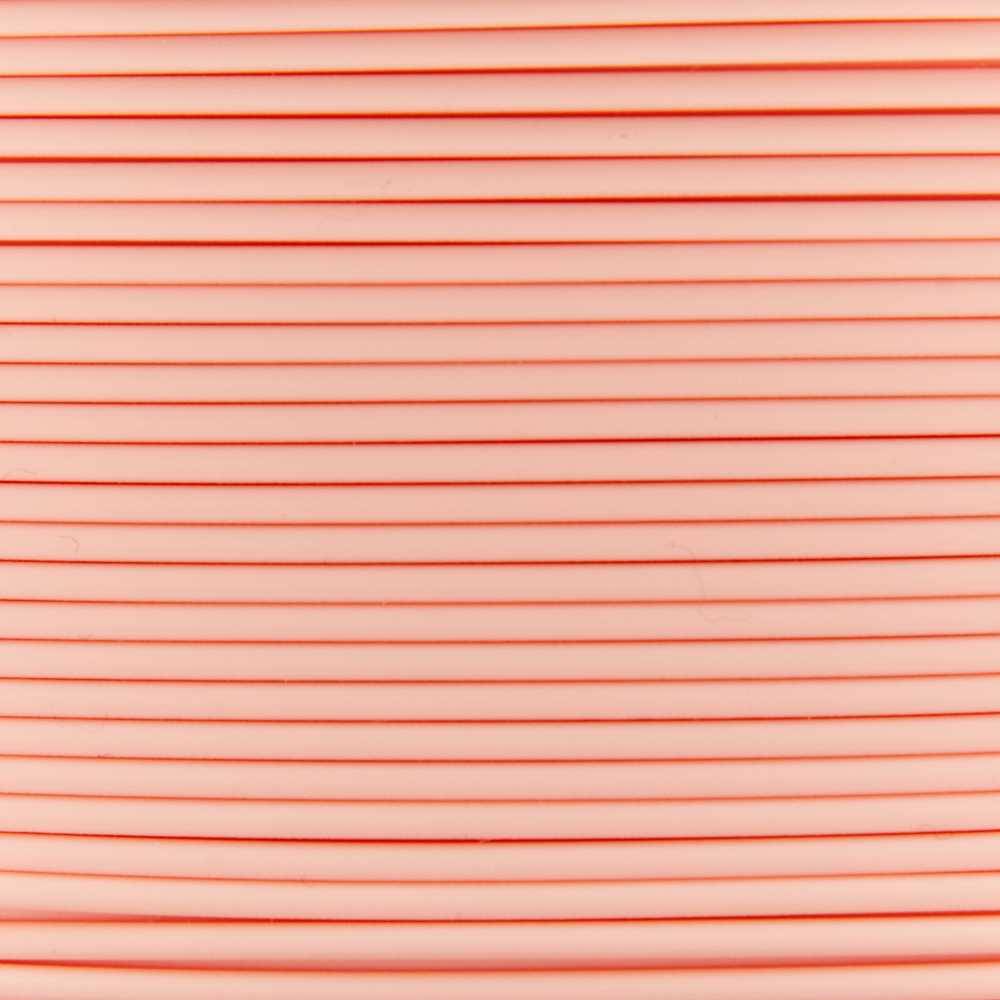
- Pink — the best seller for toys, jewelry, and children's items, with a soft tone that provides warmth without being overwhelming.
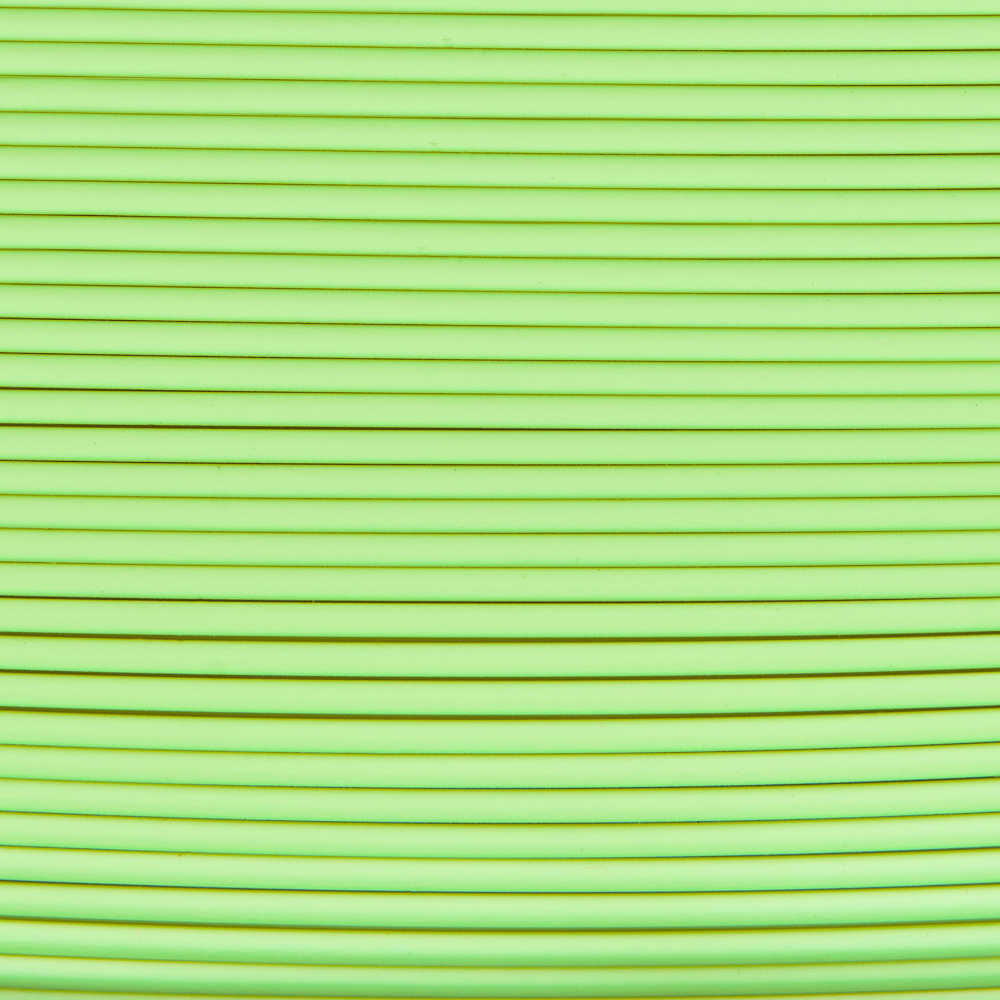
- Mint Green — the favorite for decorative gardening projects, models, and soft design; it combines especially well with beige.
- Banana Yellow — a warm and bright pastel yellow, ideal for cheerful pieces, spring decoration, and children's projects.
- Beige — the neutral alternative to the palette, perfect as a base for multicolor pieces or for natural and timeless-looking finishes.
All four colors share the same base formulation, so they can be combined in multicolor pieces without recalibrating between changes. This is especially useful if you print with multi-material systems like Bambu Lab AMS, Prusa MMU, or Creality CFS.
What it's used for: real applications
In technical support, we mainly see four uses:
- Home decoration. Figures, vases, planters, organizers, small design objects. Pastels work especially well in pieces displayed in light-colored interiors.
- Toys and children's items. PLA is non-toxic and biodegradable, and pastel colors are preferred for toys. We always recommend checking edges and finishes on pieces for young children.
- Architectural models. Buildings, urban planning, landscaping. Pastels look especially good in large models where a clean and professional finish is desired.
- Educational projects. Schools, creative classrooms, workshops. The ease of printing PLA makes it the default material in educational settings, and soft colors are more attractive to students than saturated primary tones.
Where we do not recommend Pastel PLA is for functional parts subjected to stress (gears, load-bearing supports) or for outdoor parts. For these, reinforced standard PLA, PETG, or ASA are better options depending on the case.
Pastel PLA vs. other variants
If you're wondering about our PLA variants, here's a quick reference:
- Pastel PLA. Matte finish in soft tones. Same technical properties as standard PLA. For decoration, toys, models, and educational projects.
- Standard PLA. Matte finish in saturated colors (red, blue, green, black, white). Best option when vivid color and function are desired.
- Silk PLA. Shiny and satin finish with metallic reflections. For parts that need to reflect light.
- Marble PLA. Matte finish with stone-like veins. For vases, sculptures, and natural-looking pieces.
- Glitter PLA. With glitter particles. For pieces with a shiny or festive effect.
How to print Pastel PLA
No special features compared to standard PLA. If your printer already has a basic PLA profile that works for you, use it as is.
Recommended parameters:
- Print temperature: 205 °C (range 190-220 °C).
- Bed temperature: 55 °C (range 50-60 °C, optional on some printers).
- Print speed: 50 mm/s recommended. Supports up to 300 mm/s on high-speed printers like Bambu Lab or Creality K1.
- Cooling: 100% from the second layer.
- Nozzle: standard 0.4 mm brass.
- Does not require an enclosed chamber.
Compatible with any 3D printer on the market: Bambu Lab X1, P1 and A1, Creality K1 and Ender, Prusa MK4 and MINI, Anycubic Kobra, Ultimaker. No warping, no shrinkage, easy bed adhesion.
Finish and post-processing
Pastel PLA has a factory matte finish, so it doesn't require post-processing to look good. If you want to work on the part:
- Sanding possible with fine sandpaper (400-800 grit) to smooth the surface without altering the color.
- Painting: allows specific primer for plastics and acrylic paint, although it loses its purpose if you chose the filament for its factory color.
- Multicolor combination: pastels combine especially well with each other; there's no need to force contrast.
Our technical commitment
What we control in each spool:
- Diameter 1.75 mm with tolerance less than ±0.03 mm, without ovality.
- European plant-based raw material (corn starch).
- 99% PLA purity, no recycled or recovered material, to ensure a clean pastel tone without gray nuances.
- Pigmentation control batch by batch to ensure the same color between spools.
- Clean winding without tangles.
- Real stock in warehouse and shipping in 24-48 hours within the peninsula.
If you need a pastel color not listed in the catalog, we can manufacture it on request for minimum volumes. Write to us, and real people, not chatbots, will respond.